

Shopping online sounds simple until you actually have to choose something.
You search for one product, open a few options, check the price, and think you are done. Then you notice another model. It has better reviews. Another one is slightly cheaper. Then you find a video comparing all of them, and suddenly you are looking at products you had never even considered.
I have done this more times than I would like to admit.
A simple search for headphones can easily turn into an hour of comparing battery life, sound quality, comfort, ratings, prices, and customer comments. By the end, I sometimes have so many tabs open that I cannot remember which product I liked in the first place.
That is where product reviews can make things easier.
A product description tells you what the company wants you to know. A review can tell you what happened after someone actually bought the product and used it at home. That difference can be useful when you are spending your own money.
In 2026, there are more products available online than ever. Phones, laptops, earbuds, kitchen appliances, skincare, fashion, home products and countless everyday items can be found within a few clicks. The choice is convenient, but too much choice can also make shopping tiring.
So before you rush to the checkout page, it is worth slowing down for a few minutes.
Why I Read Reviews Before Buying
I did not always pay much attention to reviews.
Earlier, I would usually look at the product pictures, check the price, read the basic specifications and make a decision. Sometimes that worked perfectly. Other times, the product that looked great on the screen was not quite what I expected when it arrived.
That is when I started paying more attention to what actual buyers were saying.
Take wireless earbuds as an example. The product page might mention excellent sound, long battery life and a comfortable design. All of that sounds good. But a customer might point out that the earbuds start hurting after an hour or that the microphone is not very good during calls.
Those little details may not appear in the main product description.
The same thing happens with home appliances. An air fryer might have several cooking programmes, but customers may mention that the basket is difficult to clean. A vacuum cleaner might have strong suction but feel heavy after using it for a while.
These details do not necessarily mean the product is bad. They simply give you more information to work with.
And that is really what I want from a review.
Start With What You Actually Need

Before getting caught up in brands and specifications, think about the reason you are buying the product.
This is probably the easiest way to avoid spending more than necessary.
For example, if you need a laptop for college assignments, presentations, browsing and video calls, you may not need a high-end machine built for professional editing or heavy gaming.
The same idea works for smaller purchases.
Maybe you want a smartwatch mainly for notifications and basic activity tracking. If that is all you need, buying the most expensive model with dozens of advanced features may not be worthwhile.
I like asking myself a few basic questions:
- Why do I want this product?
- How often will I use it?
- Which feature matters most to me?
- What amount am I comfortable spending?
- Am I replacing something that no longer works?
- Or did I simply see the product online and suddenly want it?
That last question can be surprisingly useful.
Sometimes we need a product. Sometimes we just like the idea of owning it.
Don’t Let a Long Feature List Impress You

Online product pages can make almost anything sound impressive.
A phone may have multiple cameras, different shooting modes, AI features, a high-refresh-rate display and several other specifications. That sounds great, but it does not automatically mean you need all of them.
Think about how you use your phone.
If you mostly call people, use social media, take everyday photographs and watch videos, some expensive features may not make much difference to your daily experience.
The same applies to kitchen appliances.
When looking at an air fryer, I would pay attention to its size, ease of cleaning and whether it is suitable for the amount of food I normally prepare. Having a long list of cooking modes would be less important if I only plan to use a few of them.
More features can be useful.
But more features can also mean paying for things that sit unused.
Look Beyond the Star Rating

A product showing four or five stars can immediately catch your attention. I understand why. It is an easy way to decide which products deserve a closer look.
Still, I would not make a purchase based on the number alone.
Open the reviews and read a few.
Look for comments that appear more than once. If several customers mention the same problem, it is probably worth considering. Maybe the product runs out of battery quickly. Maybe the sizing is unusual. Perhaps the material feels cheaper than expected.
One unhappy customer does not necessarily tell you much.
But when you start seeing the same complaint again and again, you have something more useful.
I also like looking at customer-uploaded photographs. They can be particularly helpful when shopping for clothes, shoes, furniture and home décor. The official product photographs are usually taken in ideal lighting, while customer pictures often show what the product looks like in an ordinary home.
That can give you a more realistic impression.
Compare the Price You Will Actually Pay

A big discount can be tempting.
Seeing something marked “40% off” makes it feel like you should act quickly. But I have learned not to focus too much on the percentage.
The final price is what matters.
Check whether delivery charges are added. Look at available bank offers if you are planning to use one. If you are exchanging an old device, check how that affects the total. Also see whether another seller has the same product for less.
Sometimes the product with the smaller advertised discount actually costs less.
And there is another thing worth remembering: a discount is not a saving if you did not need the product in the first place.
Buying a ₹2,000 item for ₹1,400 still means spending ₹1,400.
That sounds obvious, but online shopping can make us forget it.
Check the Warranty Before Paying
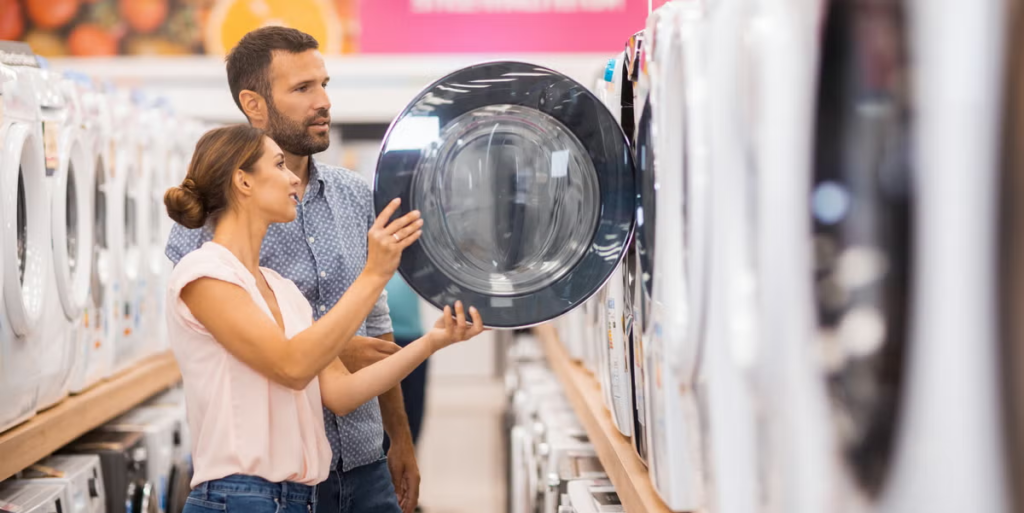
Warranty details are not particularly exciting to read, but they can become very important later.
This is especially true for electronics and larger appliances.
Before buying an expensive item, check how long the warranty lasts and what it covers. Do not assume that every type of damage or problem will automatically be included.
It can also be useful to check the brand’s service arrangements.
If something goes wrong after a few months, you will want to know where to get help and how the repair process works.
Spending five minutes checking this information can save you a lot of frustration later.
The Return Policy Deserves Attention Too
Online shopping has one obvious disadvantage: you cannot physically check the product before buying it.
You cannot try on the shoes. You cannot sit on the chair. You cannot hold the bag and check the material. You cannot always tell how large a kitchen appliance will look on your counter.
That is why I always recommend checking the return or exchange policy before ordering.
For clothes and footwear, look carefully at the size information. For furniture and home products, check the dimensions. For electronics, understand whether the seller allows returns, replacements or only service support.
Also check the time limit.
A return policy is only useful if you know the conditions before the package arrives.
Don’t Buy Something Just Because Everyone Is Talking About It

This has become a bigger part of shopping because of social media.
One day you have never heard of a particular product. The next day, you see it in a Reel, a YouTube video, a review and someone’s Instagram story.
After seeing it repeatedly, it can start to feel like everyone owns it.
That does not necessarily mean you need it.
Before buying a trending product, I think it is worth asking:
Would I want this if I had never seen it online?
Sometimes the answer will be yes.
If you genuinely need it and it fits your budget, great. But if the only reason you want it is because you have seen it everywhere, waiting a day or two can be a good idea.
The excitement often disappears. If you still want it later, you can make a more sensible decision.
Think About How Long the Product Might Last
Price matters, but I do not think price should be the only thing you compare.
Suppose one product is inexpensive but needs to be replaced quickly. Another costs somewhat more but feels sturdier and comes with better support.
The cheaper option may not actually save money over time.
This does not mean expensive products are automatically better. They are not.
It simply means you should consider how often you will use the item.
If you are buying something you will use every day, durability and comfort become more important. If you are buying something for occasional use, there may be no reason to spend a lot.
Think about the product in the context of your own life rather than comparing prices in isolation.
Products I Would Compare Carefully in 2026

Some product categories deserve a little extra research because there can be a big difference between models.
Smartphones and Gadgets
Phones, tablets, earbuds and smartwatches can vary considerably in price. Look at the things you will actually use, such as battery life, storage, compatibility, software support and warranty.
Don’t choose a phone only because it looks good in a promotional photograph.
Home Appliances
Appliances can make daily chores easier, but they also take up space and need cleaning and maintenance.
Before buying one, check its capacity, power consumption, size and cleaning requirements. It is also worth finding out what kind of after-sales support is available.
Beauty and Personal Care
Beauty products are another area where trends can influence buying decisions.
Instead of immediately purchasing something because it is popular, check the ingredients, instructions and suitability for your needs. Read what customers are actually saying about the product.
If you have a particular skin or hair concern, make sure the product is appropriate for it rather than assuming that a viral product will work for everyone.
Clothes, Shoes and Accessories
Fashion shopping online can be a little unpredictable.
A dress may look one way in a studio photograph and slightly different in normal lighting. Shoes may look comfortable but fit differently than expected.
Check measurements, material information, customer photographs and return conditions before ordering.
My Quick Checklist Before Buying

When I am close to making a purchase, I usually stop for a minute and run through a few questions.
Do I actually need it?
If I cannot explain why I need it, I usually wait.
Is it within my budget?
I do not want one purchase to affect other expenses.
What are customers saying?
I look for patterns rather than relying on one review.
Will I use the features?
There is no point paying extra for features I will never touch.
Did I compare the final price?
I check the amount I will actually pay, including delivery and applicable offers.
What is the warranty?
This matters especially for electronics and appliances.
Can I return it?
I check the return and exchange rules before placing the order.
Will I still want it next month?
This is a useful question for things that are more of a want than a necessity.
Final Thoughts
There is nothing wrong with enjoying online shopping. It can save time, give you access to more choices and make it easier to compare prices.
The problem usually starts when we stop comparing and start buying on impulse.
A few minutes of research can make a big difference. Read customer reviews, check the important features, compare the final prices and look at warranty and return information. If the product is trending, take a moment to decide whether it actually fits your needs.
You also do not have to choose the most expensive product.
You do not have to choose the one with the longest feature list.
And you definitely do not have to buy something simply because it is on sale.
For me, a good purchase is much simpler than that. It is something I need, something I can comfortably afford, and something that I expect to use enough to make the money worthwhile.
Sometimes that means buying a product after careful comparison.
Other times, it means closing the shopping app and deciding to wait.
Honestly, that can be just as useful a decision.