
have noticed that buying something online is rarely as simple as it looks. I may open a shopping app because I need one thing, and twenty minutes later I am comparing three different versions of it. One has better reviews, another has a nicer design, and then I find one that is cheaper because of a sale. Suddenly, I have forgotten what I was originally looking for.
I think many people can relate to this. Online shopping gives us plenty of choices, which is convenient, but too many choices can also make a simple purchase confusing. There are phones, headphones, kitchen appliances, beauty products, home items, fashion accessories, and countless small gadgets to choose from.
The product picture might look perfect, but pictures do not tell you everything. A product can look great online and still turn out to be uncomfortable, difficult to use, smaller than expected, or simply not useful in everyday life.
That is why I prefer taking a little time before buying. Checking reviews, comparing similar products, looking at the warranty, and thinking about how often I will actually use something can make the decision much easier.
Why I Read Product Reviews Before Buying

I rarely buy an unfamiliar product without reading at least a few reviews first. They give you a glimpse into what the product is like after someone has actually used it.
A product description will usually tell you what the company wants you to know. Customer reviews can tell you what happened after the box was opened.
For example, a pair of shoes might look comfortable in the product photos, but customers may mention that the fitting is tight. A kitchen appliance may have plenty of useful-looking functions, but someone might point out that cleaning it takes more time than expected.
Those details are easy to miss.
I also try not to trust a review just because it has five stars. A short comment saying “Excellent product” does not tell me very much. I find detailed reviews more helpful, especially when people explain how long they have used the product and what they liked or disliked about it.
Of course, everyone’s experience can be different. But when the same issue keeps appearing in several reviews, I think it deserves attention.
The Cheapest Product Is Not Always the Best Deal
Price is one of the first things I notice while shopping. That is normal. Nobody wants to spend more money than necessary.
Still, I have learned that choosing something only because it is cheap can sometimes be a mistake.
A lower-priced product may have weaker materials, fewer useful features, limited warranty coverage, or a shorter lifespan. On the other hand, paying more does not automatically mean getting better quality either.
The real question is whether the product is worth the amount you are paying for it.
Before spending extra money, I like to look at the features and ask myself whether I will actually use them. If a product costs more because it has five additional functions that I probably will never touch, I would rather keep things simple.
Sometimes the basic version is all I need.
Compare Before You Put the Product in Your Cart

I used to think comparing products meant reading every specification from top to bottom. Honestly, that can become exhausting.
Now I try to compare only the things that matter to me.
Suppose I am buying wireless headphones. I would probably look at battery life, comfort, sound quality, microphone performance, charging time, connectivity, warranty, and price.
If I were buying a refrigerator, those things would obviously be different. I would care more about size, storage space, energy use, cooling performance, features, service, and warranty.
This is why there is no single “perfect product” for everyone. A product that works brilliantly for one person may not make much sense for another.
The better choice is usually the one that matches the way you plan to use it.
Look for Patterns in Customer Feedback

When I am checking reviews, I try not to let one dramatic comment decide everything.
Someone may write that a product is absolutely amazing. Another person may say it is terrible. Neither review, by itself, gives me enough information.
Instead, I look for patterns.
If several people mention that the battery does not last as long as expected, I take that seriously. If many customers praise the comfort, that is useful too. The same applies to complaints about packaging, fitting, installation, durability, customer service, or quality.
Customer-uploaded photographs can also be surprisingly helpful. Professional product images are designed to make an item look appealing. Real photographs can give you a better idea of its size, colour, shape, or finish.
I also prefer checking newer reviews when possible. Older feedback may relate to an earlier version of a product.
Ask Yourself If You Really Need It

This is probably the simplest shopping question, but it is also one of the easiest to ignore.
Sometimes I see a product online and immediately think, “That looks useful.” Then I stop and think about how often I would actually use it.
Would I use it every week?
Would it solve a problem I already have?
Do I already own something that does the same job?
Will it just sit in a cupboard after the first few uses?
These questions can save money.
A popular product is not automatically a necessary product. Something can be trending on social media and still have very little practical value for your particular routine.
Do Not Buy Something Just Because It Is Trending

Trends can be fun. They can also make ordinary shopping feel urgent.
One week, everyone seems to be talking about a particular gadget. The next week, another product has taken its place. Watching these trends can be a good way to discover new ideas, but I would not use popularity as the only reason to buy something.
I prefer checking whether the product has features that are genuinely useful.
This matters even more when the item is expensive. Before spending a large amount, I would rather read detailed reviews, compare alternatives, and understand what I am paying for.
Sometimes an older product that has been reliable for years can make more sense than the newest model simply because it has a familiar design and fewer unnecessary extras.
Warranty and Returns Deserve More Attention
I think warranty information is one of those things people often notice only after there is a problem.
When everything works perfectly, nobody thinks much about it. But if an electronic item stops working after a few months or something arrives damaged, the warranty and return policy suddenly become very important.
Before buying, I like to check:
- How long is the warranty?
- What exactly does it cover?
- Is repair included?
- Is replacement possible?
- How many days do I have to return the product?
- Are there any return conditions?
- Is installation required?
- How can I contact customer support?
It takes only a few minutes to check these details, but those few minutes can be useful later.
Remember the Costs That Come After the Purchase

The price shown on the shopping page is not always the final cost of owning something.
Some products need accessories. Others require replacement parts, filters, batteries, cartridges, or regular maintenance.
Printers are a good example. The printer itself may seem reasonably priced, but ink or toner can become an ongoing expense.
The same idea applies to many other products. Before buying something, I try to think about what I might need six months or one year later.
A product that costs a little more initially but is inexpensive to maintain can sometimes make more sense than a cheaper product with expensive replacement costs.
Be Careful When You See a Huge Discount
I admit that discounts catch my attention.
Seeing a product marked down can create the feeling that I should buy it immediately before the offer disappears. But sometimes I ask myself a simple question: Would I have wanted this product if there was no discount?
If the answer is no, then the discount may not actually be saving me money.
A good offer can be useful when you already need the product. In that situation, checking bank offers, cashback, free delivery, exchange deals, or bundle offers may help reduce the final cost.
But I try not to buy something simply because the website says “limited time” or shows a countdown clock.
A discount is only useful when you are buying something you actually need.
Product Categories Worth Comparing in 2026
Different products require different kinds of research. Here are a few categories where comparison can be especially helpful.
Smartphones and Everyday Gadgets

For phones and gadgets, I would look beyond one impressive specification. Battery performance, storage, software support, display, durability, connectivity, and everyday performance can all matter.
The most impressive number on the product page may not be the feature you care about most.
Home Appliances
For appliances such as washing machines, refrigerators, air conditioners, and vacuum cleaners, think about size, capacity, energy use, noise, maintenance, service availability, and warranty.
An appliance can have plenty of features, but if it does not fit your space or daily routine, those features will not help much.
Beauty and Personal Care Products
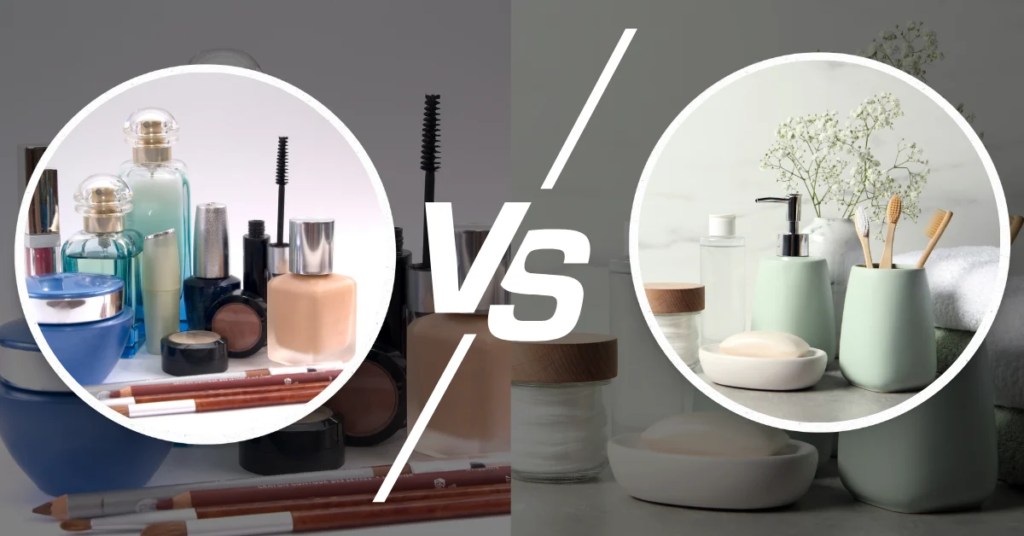
Beauty products require a little more personal consideration. Ingredients, product type, usability, skin or hair suitability, customer experiences, and safety information are worth checking.
Something that works beautifully for one person may not give another person the same result.
Fashion and Accessories
With clothes, shoes, bags, and accessories, I pay attention to sizing, material, comfort, stitching, and return options.
Customer photos can be particularly useful because they can show how an item looks away from the carefully edited product photography.
Kitchen and Home Essentials

Small home products are easy to add to a cart because they often seem inexpensive. But several small purchases can quickly become a surprisingly large bill.
Before buying, I like to ask whether the item will actually make something easier or better at home.
My Simple Pre-Purchase Checklist
When I cannot decide whether to buy something, I go back to a few basic questions:
Do I actually need it?
Have I read enough genuine reviews?
Did I compare it with at least one or two similar products?
Is the price reasonable for what I am getting?
Will I use it regularly?
Can I return it if something is wrong?
What does the warranty cover?
Will I have extra expenses after buying it?
If I can answer these questions comfortably, I usually feel much more confident about the purchase.
Sometimes, after going through the list, I realise I do not need the product at all. And honestly, that can be just as useful as finding the right product.
Final Thoughts
Online shopping has made it incredibly easy to find almost anything within a few clicks. But convenience does not always make choosing easier. With so many products, reviews, discounts, advertisements, and new launches competing for attention, it is easy to make a rushed decision.
I have found that taking a little pause helps.
Instead of immediately clicking “Buy Now,” I prefer checking what other customers experienced, comparing a few options, looking at the important features, and thinking about whether the product actually fits my needs.
A good purchase does not have to be the most expensive one, the newest one, or the product with the biggest discount.
It simply needs to make sense for you.
So, the next time something catches your eye while scrolling through a shopping app, take a few extra minutes before ordering. Sometimes that small pause is enough to turn an impulse purchase into a much smarter one.