
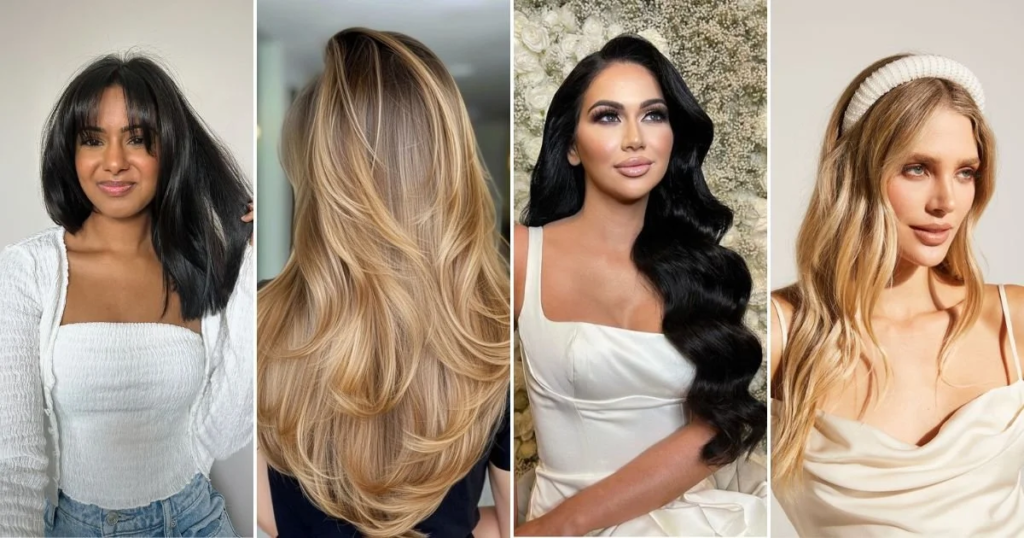
Some mornings, getting my hair ready takes hardly any time. I comb it, leave it open, and somehow it looks fine. On other mornings, I can try three different hairstyles and still end up thinking, “Okay, a ponytail it is.”
Hair has a funny way of doing that.
Looking after it can also become confusing. Every few days, there seems to be a new shampoo, oil, serum, mask, or hair hack making rounds online. One person swears by oiling, another recommends washing less often, and someone else has a ten-step routine that seems impossible to follow on a normal working or college day.
The truth is, haircare does not have to be that complicated.
In 2026, there is more interest in routines that are simple, practical, and suited to individual hair types. Instead of collecting products just because they are trending, it makes more sense to understand your scalp, notice how your hair behaves, and make a few useful changes.
So, if you want your hair to look healthier without turning your bathroom into a mini salon, here are some habits worth trying.
1. First, Figure Out What Your Hair Is Telling You
Before changing your entire routine, spend a little time observing your hair.
Maybe your roots become greasy quickly while your ends remain dry. Maybe your hair looks fine immediately after washing but becomes frizzy the next morning. Or perhaps it is naturally thick and takes forever to dry.
These things tell you more than a viral video does.
I think we sometimes buy products before figuring out what the actual problem is. If something is labelled “for dry hair,” we assume we need it because our ends feel a little rough. Then we add another product because the first one did not give the expected result.
Instead, start with the basics.
Look at your scalp and your hair separately. Think about how often you wash it, how you style it, and what happens after washing. Once you understand those little details, choosing products becomes much easier.
2. Do Not Forget About Your Scalp
Most of us pay attention to our hair because that is the part we can see. The scalp is hidden, so it is easy to ignore.
But it deserves some attention too.
If your scalp becomes oily quickly, keeping it clean may be more important than adding another product to your hair lengths. If your scalp feels dry or irritated, scrubbing harder is unlikely to solve the problem.
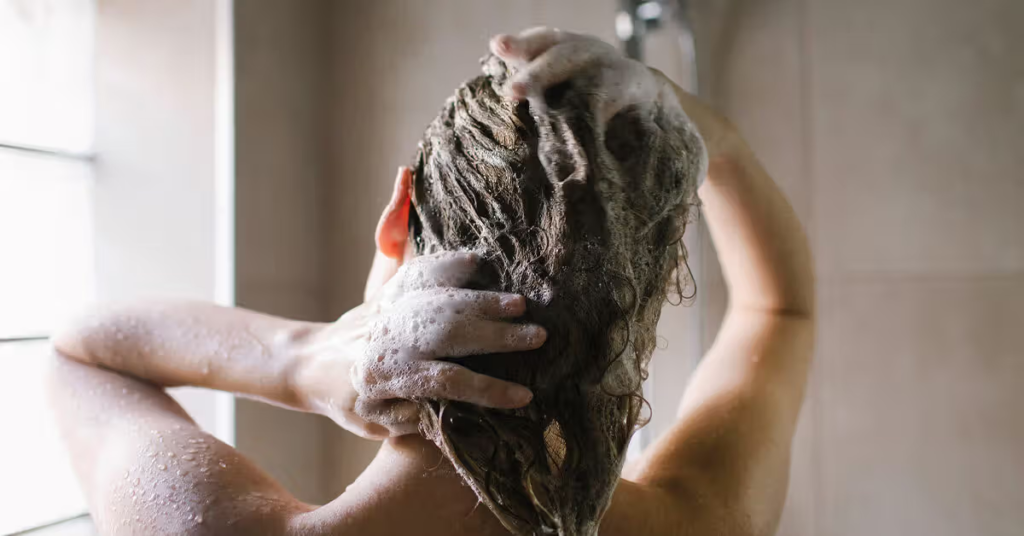
When shampooing, use your fingertips rather than your nails and massage gently. There is no need to attack your scalp as if you are trying to remove paint from a wall.
Also, pay attention to anything unusual. Persistent itching, redness, heavy flaking, or noticeable changes in hair shedding are reasons to speak with a dermatologist or another qualified healthcare professional instead of repeatedly trying random internet remedies.
3. Your Friend’s Hair Routine May Not Work for You
This is something social media makes easy to forget.
You see someone with beautiful hair explaining their morning and evening routine. They use a particular shampoo, mask, oil, serum, and styling cream. Naturally, you start wondering if those products are the reason their hair looks so good.
Maybe they help. Maybe they do not.
Your hair is not the same as theirs.
Someone with thick curly hair may need completely different products from someone with fine straight hair. Coloured hair may need different care from untreated hair. Even the weather where you live can change how your hair behaves.
Take inspiration from other people, but do not feel that you have to copy them from beginning to end.
4. A Simple Routine Can Be Enough

There is something satisfying about a huge haircare shelf, but having more products does not automatically mean having healthier hair.
For many people, a basic routine is perfectly reasonable.
Clean your scalp when it needs washing. Condition the lengths and ends. Be gentle with wet hair. Protect your hair when using heat. Give damaged ends some attention.
That is already a routine.
You can add a mask, serum, leave-in conditioner, or styling product if you actually need one. But there is no prize for owning the most bottles.
Sometimes fewer products also make it easier to understand what works for you.
5. Be Kinder to Your Hair After a Shower
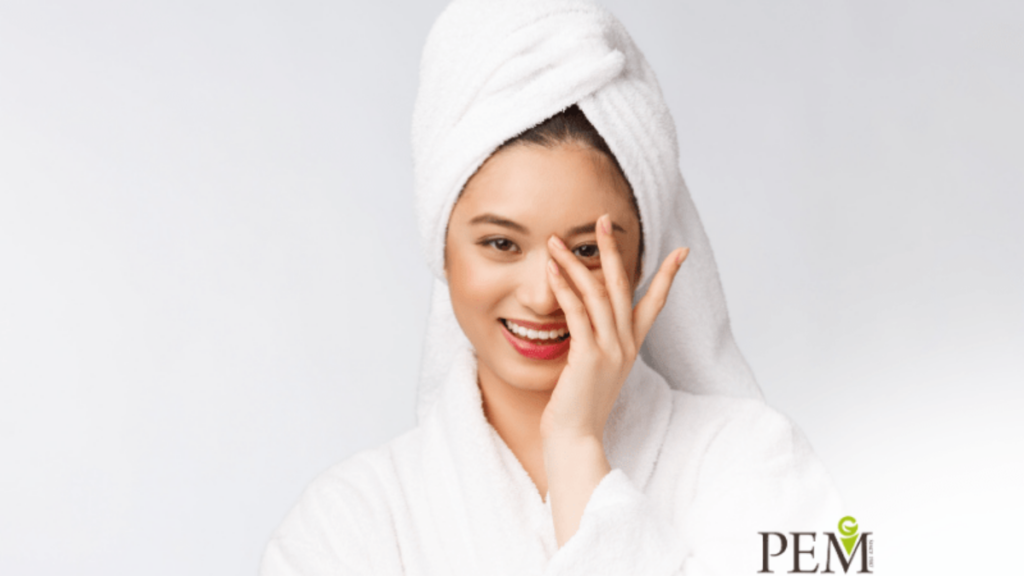
The way you treat your hair immediately after washing can make a difference to how manageable it feels.
A common habit is to grab a towel, wrap the hair tightly, rub it quickly, and then brush through all the tangles at once.
I understand why we do it. Nobody wants to stand around with dripping-wet hair.
Still, try being a little gentler.
Squeeze out excess water instead of rubbing aggressively. If you use a towel, pat or wrap your hair without rough friction. And if your hair gets tangled, start combing from the ends and gradually work your way upward.
It takes a little patience, but there is no reason to fight with your hair when it is already wet and vulnerable to stretching.
6. Heat Styling Is Fine, But Give Your Hair a Break
There is nothing wrong with wanting straight hair for one day or adding curls before going out.
The trouble starts when high heat becomes an everyday habit.
Straighteners, curling irons, and blow dryers can contribute to dryness and damage, particularly when used frequently or at high temperatures. If you use them often, heat protection is worth considering.
You can also lower the temperature when possible and take occasional breaks from styling tools.
And honestly, not every bad hair day needs fixing with a straightener.
Sometimes putting your hair in a loose bun or ponytail and getting on with your day is the easiest solution.
7. Conditioner Deserves More Attention
Shampoo cleans the scalp, but conditioner can make the lengths feel much easier to handle.
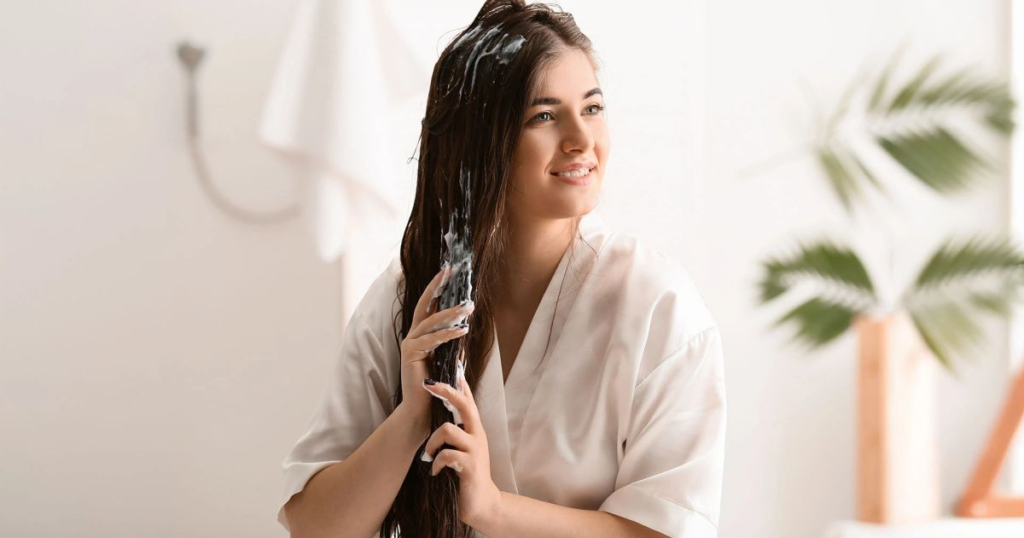
After shampooing, apply conditioner mainly to the middle and lower sections of your hair. Leave it for the amount of time recommended on the product and rinse it properly.
If your hair is fine, you may need only a small amount. Thick, dry, or coarse hair may feel better with more conditioning.
Do not worry too much about following someone else’s exact amount. Start small and see what your own hair needs.
If your roots become greasy easily, putting a lot of conditioner directly onto the scalp may not be comfortable for you.
8. Oiling Is Still Popular for a Reason
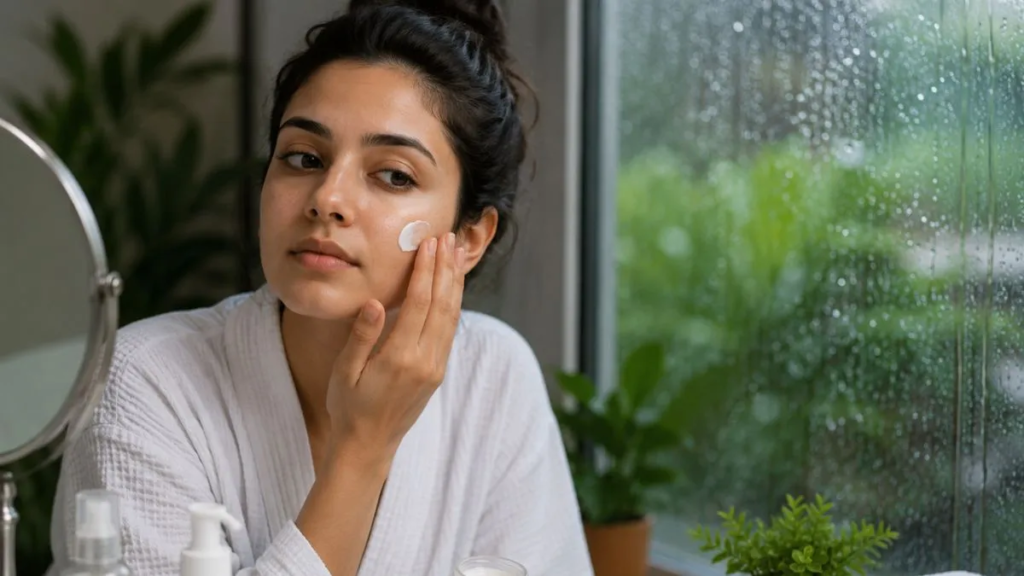
For many people in India, oiling hair is not something that suddenly appeared because of social media. It has been part of family routines for years.
Maybe your mother or grandmother had a favourite oil and a very specific opinion about how long it should stay in your hair.
Oiling can be a nice part of a pre-wash routine for people who enjoy it. It may make the hair feel softer and easier to manage after washing.
But you do not have to use a huge amount.
If your scalp becomes greasy quickly, a lighter amount may be more comfortable. And if regular oiling does not suit your hair or scalp, you do not have to force yourself to do it just because somebody online says it is essential.
There is no universal haircare rule that works perfectly for everyone.
9. Your Meals Matter Too

It is easy to spend time thinking about shampoos and forget about everyday food.
Hair health is connected to overall nutrition, so regular balanced meals are important. Try to include a variety of foods rather than relying on one “hair growth” ingredient you saw in a reel.
Protein-rich foods, vegetables, fruits, whole grains, and other nutrient-containing foods can all have a place in a balanced diet.
Be cautious about supplements as well. Taking extra vitamins simply because they are advertised for hair does not mean you actually need them.
If you notice significant or sudden hair loss, it is better to discuss it with a healthcare professional. There can be several reasons for hair shedding, and guessing from social media is not the best way to find the cause.
10. Stop Expecting Results Overnight
This is probably one of the hardest parts of haircare.
We are used to seeing dramatic before-and-after videos online. A product is applied, the camera cuts, and suddenly the person’s hair looks completely different.
Real life is much slower.
A new shampoo may feel different after the first wash, but that does not mean your hair will transform overnight. If you keep replacing products every week, you will never really know whether your routine was working.
When something suits your hair, give it some time.
Not every product needs to produce an immediate “wow” moment.
11. Everyday Habits Can Affect Your Hair
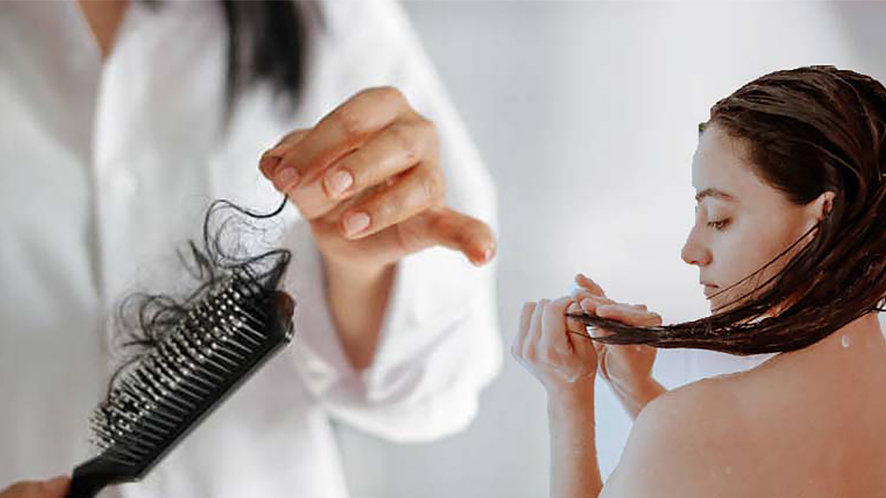
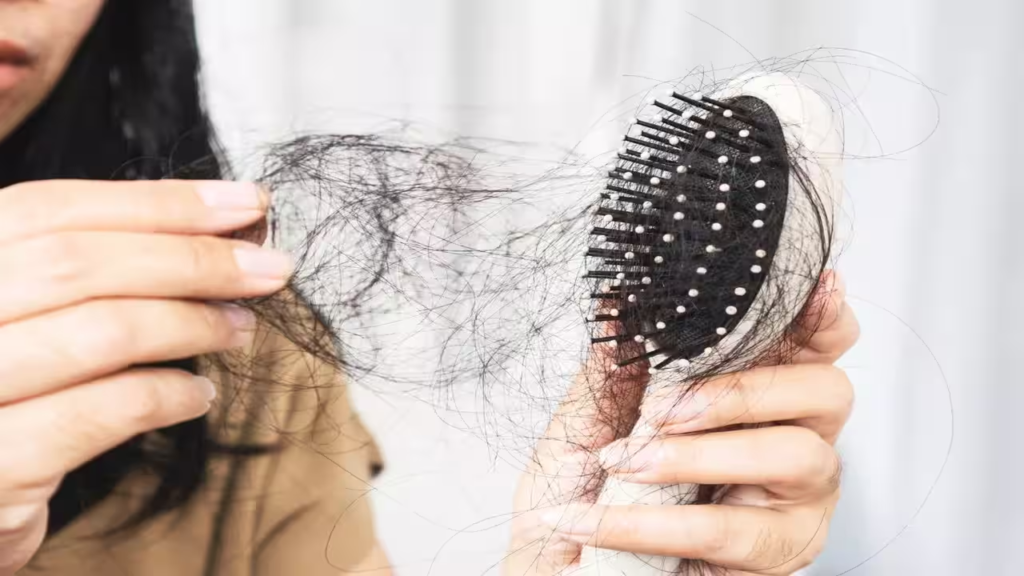
Damage does not always come from expensive styling tools.
Sometimes it comes from small things we repeat without thinking.
Wearing a very tight ponytail every day, brushing roughly, pulling through stubborn knots, or constantly tying the hair in exactly the same place can put unnecessary stress on it.
You do not need to completely change your lifestyle.
Try wearing your hair a little more loosely. Change where you place your ponytail. Be patient with knots instead of pulling them apart.
These are boring tips compared with a new viral serum, but they are also much easier to make part of everyday life.
12. Look After Your Ends

The ends of your hair have been around longer than the hair near your roots, so they have naturally experienced more washing, brushing, sunlight, and styling.
That is why they can become dry or split.
A haircut does not make hair grow faster from the scalp. However, trimming visibly damaged ends can make your hair look cleaner and easier to manage.
If you are trying to grow your hair, you do not need to cut a large amount every time. Pay attention to the condition of the ends and talk to your hairstylist about how much needs to be removed.
Sometimes a small trim is all you need.
13. Think Twice Before Trying Every Viral Hack
I have nothing against trying something new, but haircare trends deserve a little common sense.
There are countless DIY recipes online involving kitchen ingredients, essential oils, unusual mixtures, and strong substances. Some may be harmless, while others can irritate the scalp or cause problems when used incorrectly.
Just because somebody says, “This worked for me,” does not mean it will work for everybody.
Before trying a new DIY treatment, consider what you are actually putting on your scalp. If you are unsure about an ingredient, there is no harm in skipping the experiment.
Your hair can survive without participating in every internet trend.
14. Build a Routine You Can Actually Follow

A routine can look fantastic on paper and still be completely unrealistic.
If you have college in the morning, work during the day, or simply do not enjoy spending lots of time getting ready, you probably are not going to maintain a twelve-step hair routine forever.
And that is okay.
A routine does not have to be impressive. It just needs to work with your schedule.
For one person, that may mean washing twice a week and using conditioner every time. Someone else may need to wash more frequently. Another person may prefer occasional oiling and a simple leave-in product.
Find something you can realistically continue.
15. Let Your Natural Hair Look Like Hair
One thing I like about current haircare conversations is that there seems to be less pressure to make everyone’s hair look perfectly polished.
Hair can have flyaways.
It can have waves that do not match.
It can get frizzy when the weather changes.
It can look amazing one day and completely ordinary the next.
That does not automatically mean something is wrong.
Instead of trying to remove every bit of natural texture, learn what makes your own hair easier to manage. Find hairstyles you enjoy. Use products that help rather than products you feel forced to buy.
There is a difference between caring for your hair and constantly trying to change it.
A Few Haircare Habits Worth Keeping

If you want to simplify everything, start with a handful of habits instead of trying to change your entire routine at once.
Wash your scalp according to its needs. Condition your lengths. Handle wet hair gently. Limit unnecessary heat. Avoid extremely tight hairstyles. Eat balanced meals. Pay attention to changes in your scalp or hair.
Then give yourself time to see what works.
You may discover that you do not need half the products you thought you needed.
Final Thoughts
Haircare trends will keep changing. There will always be another shampoo, another serum, another oil, and another five-minute hair hack promising amazing results.
You do not have to follow all of them.
For 2026, a more sensible approach is to understand your own hair and build a routine around it. Your scalp, texture, lifestyle, climate, and styling habits all matter. What works for one person may be completely unnecessary for another.
And hair does not have to look perfect every morning.
Some days it will cooperate. Some days it will not. That is normal.
Take care of it, be patient with it, and make your routine simple enough that you can actually enjoy doing it. Healthy-looking hair is not always about having the biggest collection of products. Quite often, it comes down to a few good habits repeated consistently.
FAQs
1. What are the biggest haircare trends for 2026?
Simple routines, scalp care, gentle hair handling, heat protection, and choosing products according to your hair type are key areas of focus.